Uncovering How Match Incentives Reshape Deposit Patterns in App-Based Wagering Systems
Written by Uma Schwarz · Oct 21, 2026
Uncovering How Match Incentives Reshape Deposit Patterns in App-Based Wagering Systems
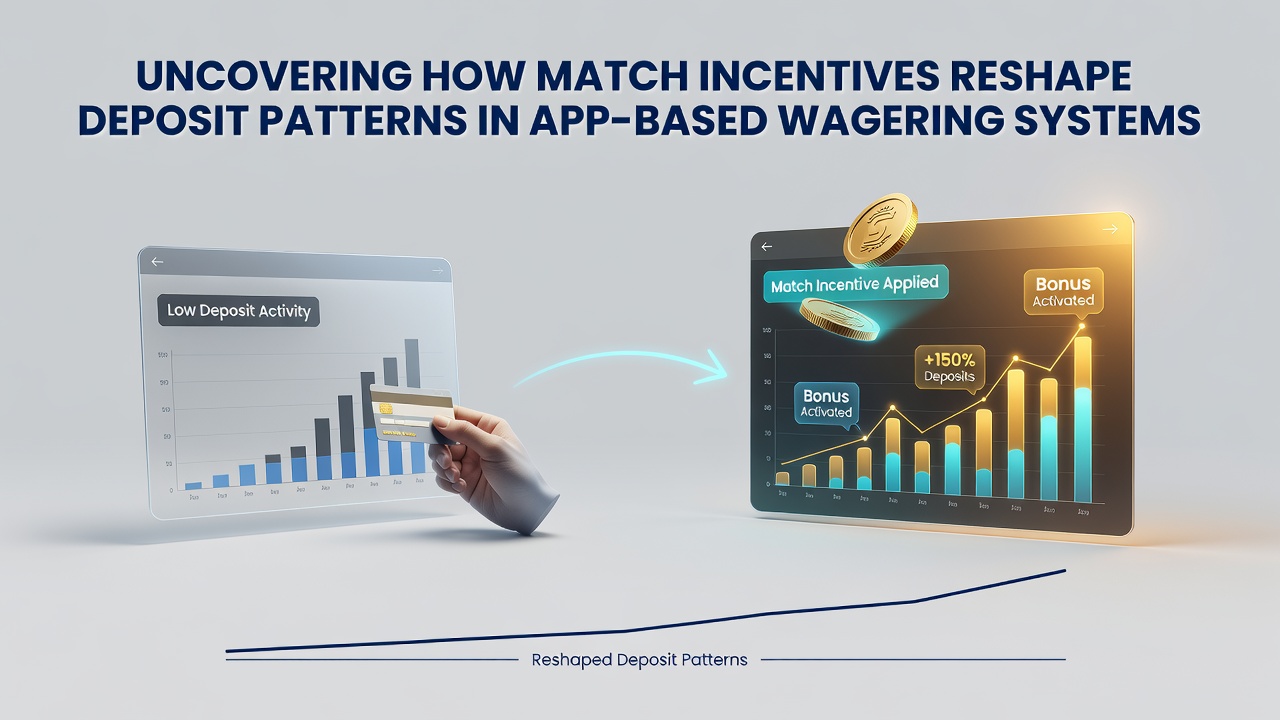
Match incentives in app-based wagering systems operate by providing additional funds proportional to a user's initial deposit, and this structure directly influences how participants time and size their transactions across mobile platforms. Researchers tracking user behavior have documented consistent adjustments in deposit volumes, with many users increasing their first transfers to capture the full benefit of the match percentage offered. Data collected through 2025 and into October 2026 shows these adjustments occurring most sharply during promotional windows that coincide with major sporting events or new game releases.
Mechanics Behind Deposit Matches
Operators structure match incentives around percentage rates that range from 50 percent to 200 percent on qualifying deposits, and they typically cap the matched amount at fixed thresholds such as 100 or 500 units of currency. Users receive the bonus funds instantly upon deposit completion, yet wagering requirements attached to those funds create a secondary effect on subsequent deposit timing. Observers note that participants often return within the same session to make follow-up deposits when the match threshold has not yet been reached, producing clusters of activity rather than isolated transactions.
Shifts in Deposit Volume and Frequency
Analysis of transaction logs from multiple platforms reveals that average first-time deposits rise by 35 to 60 percent when a match incentive is active, while repeat deposits within 48 hours increase at a lower but still measurable rate. Studies conducted by independent analytics groups indicate that users who receive a full match tend to space later deposits more evenly across a seven-day cycle, whereas unmatched users maintain steadier but smaller weekly totals. In October 2026, platform operators reported that deposit clusters aligned closely with the launch of limited-time match campaigns, resulting in daily transaction counts rising by up to 22 percent compared with non-promotional periods.
Regional Patterns and Regulatory Context
Patterns differ across jurisdictions according to local rules governing bonus structures. In markets regulated by the Nevada Gaming Control Board, data indicates that match incentives correlate with higher evening deposit activity among users aged 25 to 34, while Australian regulatory reports show elevated midday deposits tied to the same incentive types. A research paper published by the University of Sydney's gambling studies unit examined 18 months of mobile transaction data and found that match offers reduced the median time between first and second deposits from 4.2 days to 1.8 days. Those findings align with observations from Canadian provincial gaming authorities, where similar timing compressions appeared after operators introduced tiered match levels based on deposit size.
Behavioral Adjustments Over Time
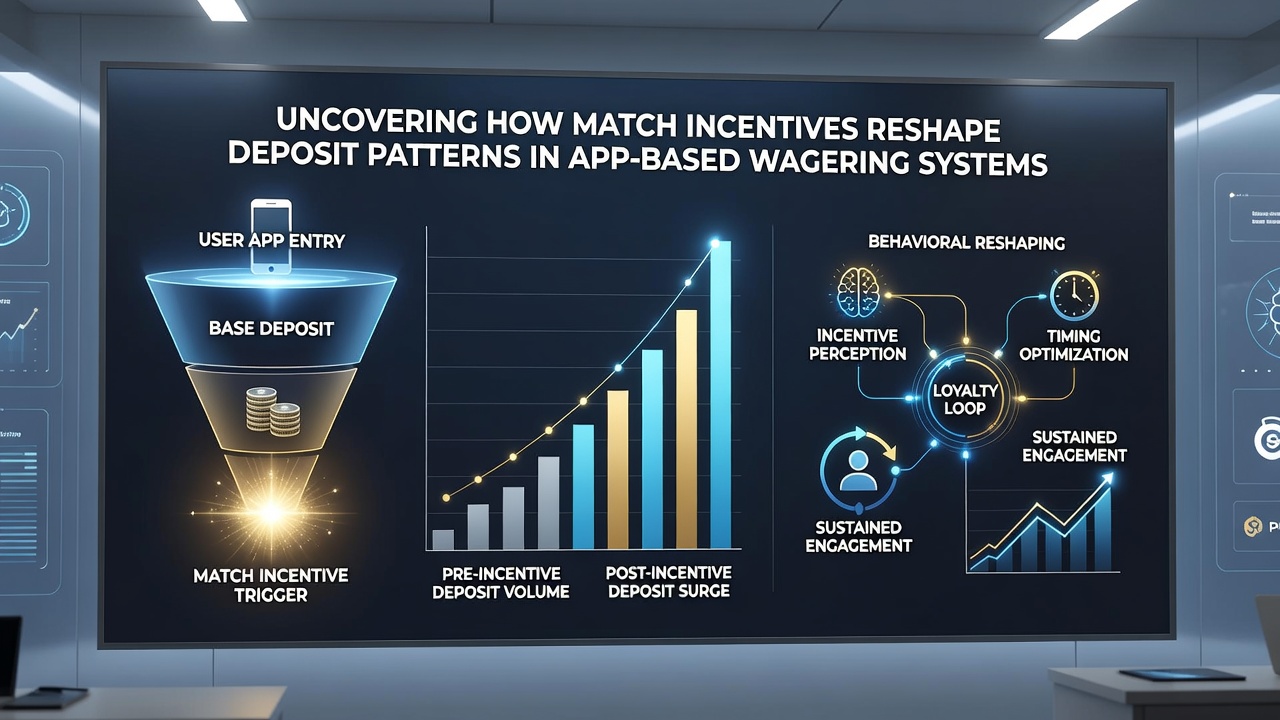
Longer-term tracking demonstrates that users who respond strongly to initial match offers maintain elevated deposit sizes for an average of three additional weeks before reverting toward baseline amounts. Platform telemetry collected through October 2026 further shows that the presence of a visible match counter on the deposit screen increases the likelihood of users selecting higher preset amounts rather than entering custom figures. Researchers tracking these interfaces report that the visual cue alone accounts for a measurable portion of the volume increase, independent of the actual bonus percentage.
Interaction With Platform Features
Match incentives interact with other app elements such as quick-deposit buttons and saved payment methods, and these combinations amplify the observed changes in deposit patterns. When quick-deposit options prefill an amount that reaches the match cap, users complete transactions faster and with less hesitation than when entering amounts manually. Data sets from several operators confirm that friction reduction through these combined features leads to higher completion rates during the first 30 minutes after a match promotion appears in the app.
Conclusion
Match incentives continue to drive measurable alterations in deposit timing, size, and frequency within app-based wagering systems, and the patterns documented through late 2026 remain consistent across multiple regulatory environments. Transaction records and independent analyses together illustrate how these offers concentrate activity around promotional periods while reshaping the distribution of deposits over subsequent days and weeks. Ongoing monitoring by research institutions and gaming authorities provides the clearest picture of these dynamics as operators refine their incentive structures.