How Bonus Codes Function as Gateways in Layered VIP Structures at Digital Casinos
Written by Dana Hansen · Nov 4, 2026
How Bonus Codes Function as Gateways in Layered VIP Structures at Digital Casinos
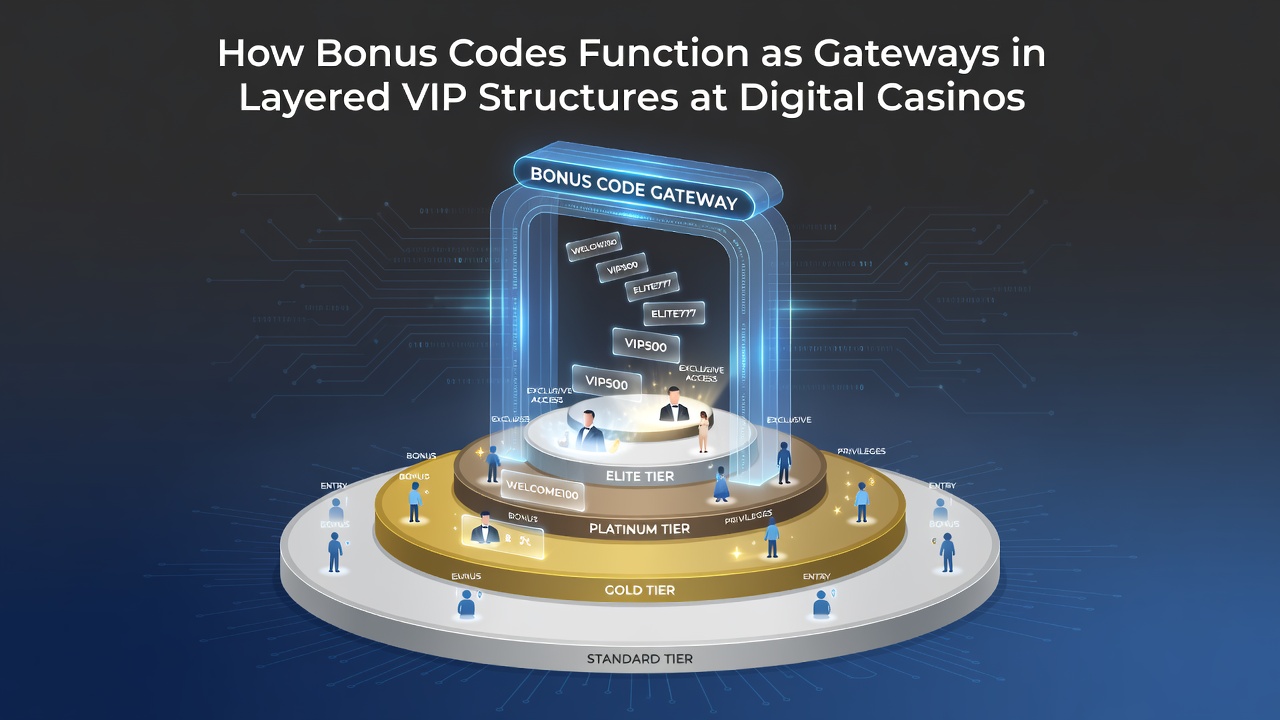
Bonus codes serve as entry points that unlock successive levels within the multi-tiered loyalty frameworks found across digital casino platforms, where players progress through structured reward layers based on activity and engagement metrics. These codes operate by validating eligibility for specific promotional tiers, which in turn grant access to escalating benefits such as enhanced deposit matches, exclusive event invitations, and personalized account management services. Industry observers note that platforms configure these codes to align with player segmentation models, ensuring that initial redemptions trigger automated tracking systems that monitor cumulative play volume over defined periods.
Mechanics of Code Activation and Tier Progression
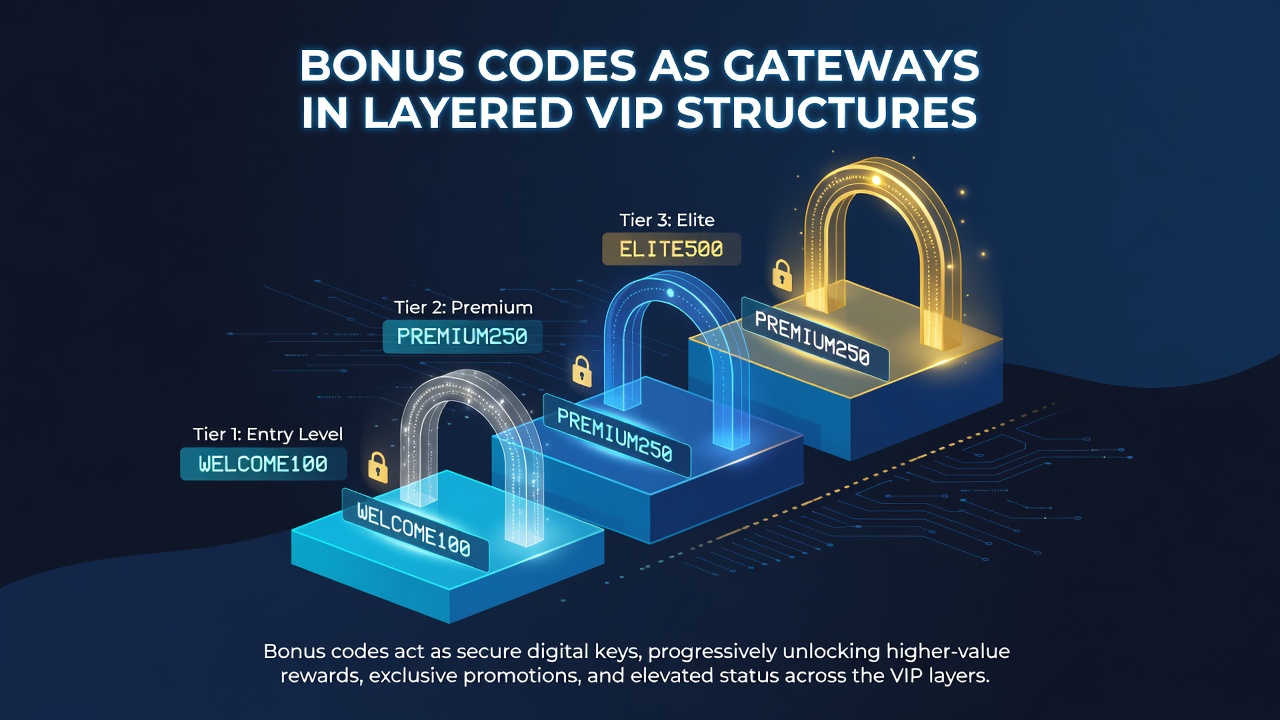
Digital casinos assign bonus codes to distinct VIP layers through backend algorithms that cross-reference player history with code parameters, and this process begins when a user enters the sequence during account funding or promotional registration. Once activated, the code initiates a verification sequence that logs the entry point into the player's profile, thereby establishing baseline criteria for advancement to higher tiers where requirements include minimum wager thresholds and frequency of deposits. Data from regulatory filings indicates that systems update in real time, allowing players to view pending qualifications for the next layer without manual intervention, while exceptions arise in cases where codes carry expiration dates tied to calendar quarters.
Layered structures typically feature entry-level access through standard welcome codes, followed by mid-tier invitations that demand sustained deposit patterns, and top-tier privileges reserved for those who meet volume-based milestones tracked over multiple months. Codes function here as sequential keys because each redemption not only delivers immediate value but also increments an internal loyalty score that platforms use to determine eligibility for subsequent offers. Those who study these systems report that integration with customer relationship management tools enables casinos to issue targeted follow-up codes precisely when a player approaches a tier boundary, creating a continuous pathway rather than isolated promotions.
Integration with Player Tracking Systems
Platforms embed bonus codes within comprehensive tracking infrastructures that record every interaction, from initial code entry through long-term behavioral patterns, and this data feeds into algorithms that predict optimal reward distribution across the VIP hierarchy. Research from the Nevada Gaming Control Board highlights how such integration supports compliance with responsible gaming standards by capping promotional exposure at each layer, while still permitting progression for qualifying accounts. Codes therefore act as controlled gateways because they restrict automatic advancement until predefined activity benchmarks are confirmed through the tracking database.
Observers have documented cases where seasonal adjustments to code issuance coincide with platform-wide audits, and starting in November 2026 several operators introduced enhanced encryption protocols for code validation to reduce unauthorized sharing across user networks. These updates maintain the gateway function while strengthening security around tier transitions, ensuring that only verified activity contributes to upward movement in the structure. External reports from the American Gaming Association further show that layered VIP models incorporating code gateways correlate with measurable increases in average session duration across participating platforms.
Examples of Code-Driven Tier Access
One documented implementation involves codes distributed via email campaigns that specifically target players nearing the end of a qualification window, granting temporary boosts that accelerate entry into the subsequent VIP bracket when combined with existing play data. Another approach uses referral-based codes that add external participants into the lower tiers, where their subsequent activity can unlock shared benefits for the originating account holder, thereby expanding the network effect within the layered system. Figures from the European Gaming and Betting Association reveal that such mechanisms appear most frequently in jurisdictions with mature digital licensing frameworks, where transparency requirements mandate clear disclosure of code terms at the point of redemption.
Platforms also deploy time-limited codes during promotional windows that coincide with major sporting events or game releases, and these function as temporary gateways that allow accelerated testing of higher-tier features without permanent commitment. Once the code window closes, players retain any earned tier status based on the activity generated during that interval, which demonstrates how codes serve both as entry mechanisms and catalysts for sustained participation within the overall VIP architecture.
Conclusion
Bonus codes continue to operate as structured gateways that regulate movement through layered VIP frameworks at digital casinos by linking promotional entry points directly to automated tracking and eligibility systems. Their design supports progressive reward distribution while maintaining operational controls aligned with regulatory expectations across multiple regions. As platforms refine these mechanisms through periodic updates, the core function remains consistent: codes translate player actions into verifiable access across successive benefit tiers without requiring separate application processes for each level.