Deciphering Interplay Between Reload Mechanisms and Behavioral Shifts in App-Driven Gaming Environments
Written by Petra Weber · Aug 22, 2026
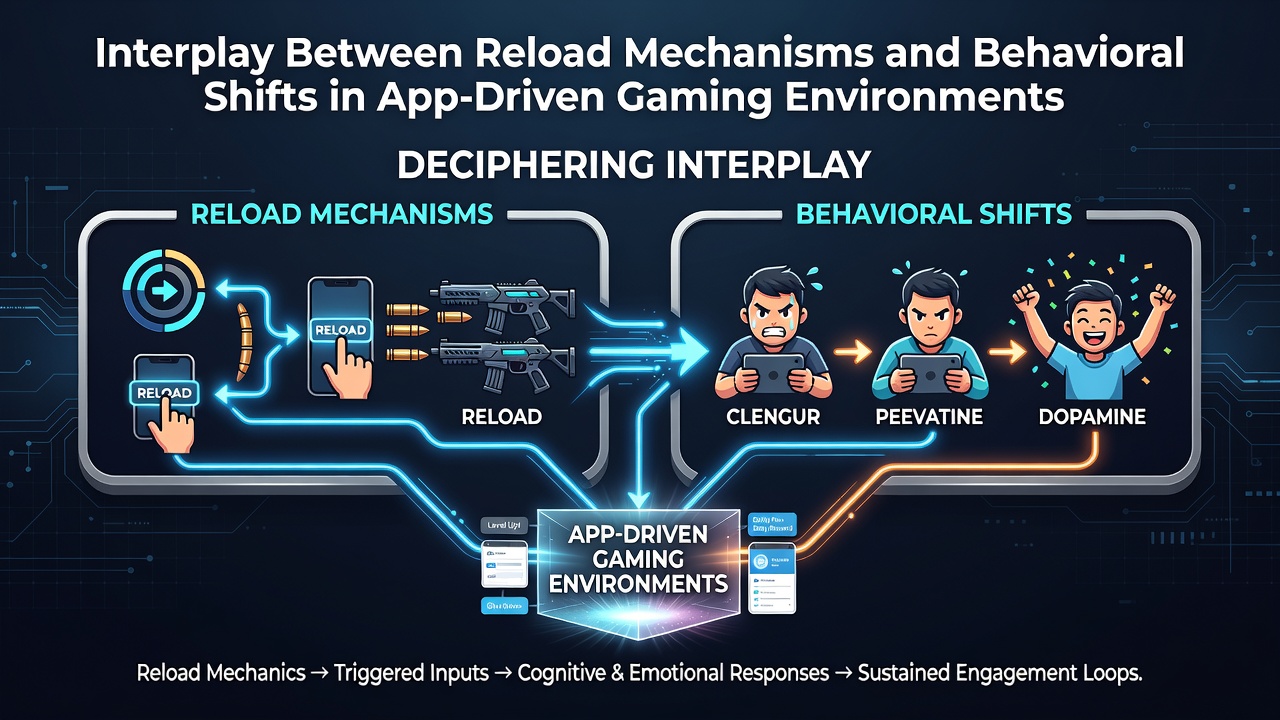
Deciphering Interplay Between Reload Mechanisms and Behavioral Shifts in App-Driven Gaming Environments
Reload mechanisms in app-driven gaming environments operate as timed resource replenishment systems that restore player assets such as energy, currency, or lives after depletion, and these features integrate directly with in-app purchase flows while also triggering scheduled notifications. Data from industry tracking services in 2025 showed that games incorporating reload timers experienced session frequency increases of up to 34 percent compared with titles lacking such systems, and researchers at several academic institutions documented corresponding changes in daily active user patterns across both free-to-play and premium titles.
Core Components of Reload Systems
Developers implement reload mechanics through algorithms that calculate restoration rates based on real-world time elapsed, player level, and sometimes social connections, whereas variable reload speeds create different urgency levels that influence when users return to the application. Studies conducted by university psychology departments have measured how these timers interact with notification systems to prompt re-engagement, and evidence indicates that shorter reload windows correlate with higher return rates within the first two hours after logout. In contrast, longer reload periods often lead to users seeking alternative activities or switching to competing applications during the wait interval.
Payment integration forms another layer where reloads can accelerate through microtransactions, and transaction logs from major app stores reveal that reload-related purchases account for a significant share of revenue in many top-grossing titles as of mid-2026. Observers note that the option to bypass waiting periods through direct payment creates a continuous decision point for players, and this structure appears repeatedly in role-playing, strategy, and simulation genres that dominate mobile charts.
Documented Shifts in User Behavior
Behavioral data collected through anonymized analytics platforms demonstrates that reload systems contribute to fragmented play sessions rather than extended continuous gameplay, and users frequently log in multiple times per day to claim restored resources before they cap out. Research published in peer-reviewed journals during 2025 tracked over 50,000 accounts across several platforms and found measurable increases in habit formation markers when reload notifications aligned with typical commuting or break times. Those patterns persisted even after controlling for other engagement features such as daily login rewards.
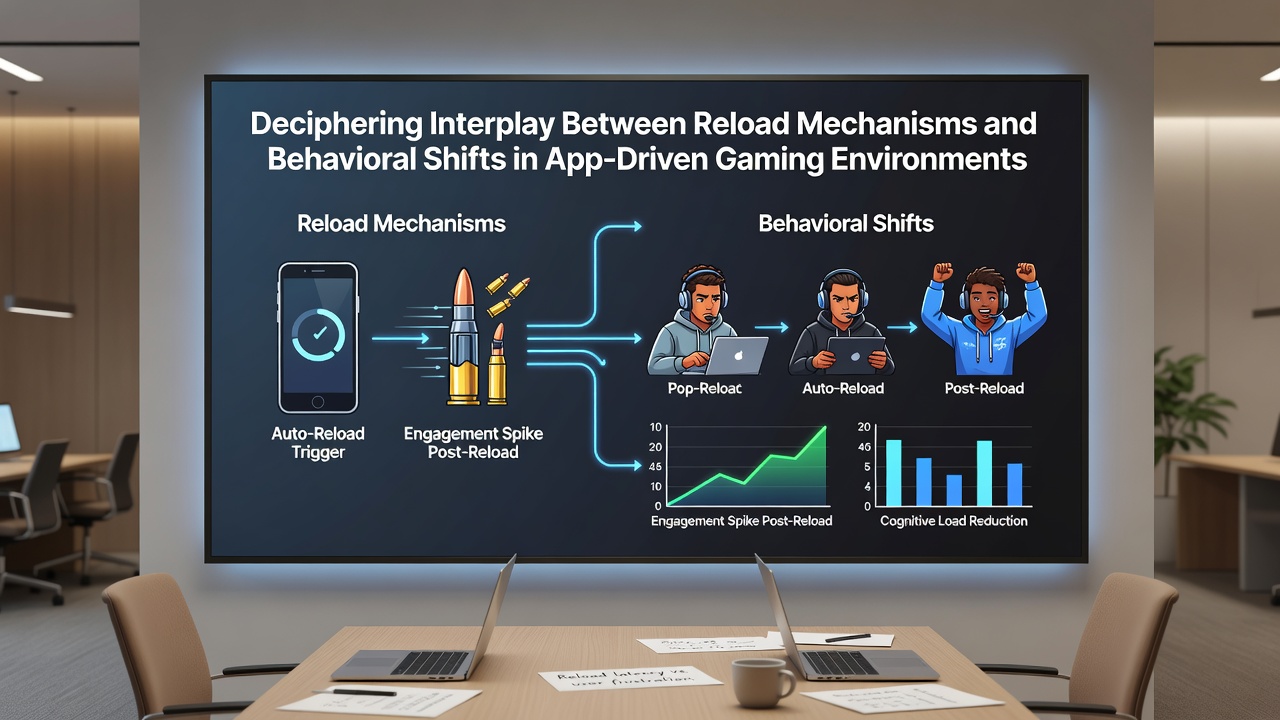
August 2026 reports from North American and European app analytics firms highlighted further differentiation between cohorts: players exposed to aggressive reload pacing showed elevated churn after 90 days, while moderate pacing groups maintained steadier retention curves. Experts tracking these metrics point to the role of perceived fairness, because reload speeds that feel punitive prompt some users to reduce spending or abandon the title entirely. Meanwhile, balanced implementations that reward consistent play without excessive pressure tend to sustain longer-term engagement according to aggregated figures released by trade associations.
Regulatory and Research Context
Government agencies in Australia and Canada have begun examining how reload mechanics intersect with player spending behavior, and preliminary findings from these reviews indicate that transparent communication about reload timers and purchase alternatives reduces complaints related to unexpected costs. Academic teams at institutions in the United States and the European Union continue to publish longitudinal studies that isolate reload effects from other monetization tools, and their work provides quantitative baselines for future policy discussions. Industry organizations such as the American Gaming Association have compiled comparative data across jurisdictions, underscoring regional differences in how reload systems are presented to users.
One analysis released by a Canadian research consortium in early 2026 examined 120 mobile titles and concluded that reload frequency directly modulates session length distribution, with high-frequency reloads producing more but shorter visits. The same dataset showed that social features layered on top of reload mechanics, such as shared resource gifts, can offset some of the negative retention effects observed in solo play cohorts. These observations align with broader findings from cognitive science regarding variable reward schedules and their capacity to shape repeated checking behavior.
Conclusion
Reload mechanisms in app-driven gaming environments function as both engagement tools and behavioral modifiers whose effects become measurable through session analytics, spending patterns, and retention metrics. Available evidence from multiple regulatory bodies, academic studies, and industry datasets establishes clear connections between reload design choices and shifts in how players interact with applications over time. Continued monitoring by researchers and trade groups will likely refine understanding of these dynamics as new titles enter the market and existing platforms update their systems.